As the Internet of Things (IoT) and AI (Artificial Intelligence) technology advances with leaps and bounds, technology leaders present new use cases for tomorrow’s industry.
Integrating Automated Guided Vehicles (AGVs) with IoT and AI allows for real-time monitoring and control of the robotic transport of materials and products. By using sensors and data analytics, manufacturers can optimise the routing and scheduling of AGVs, reducing the time and effort required for inter-facility logistics.
However, today’s AGVs are often programmed to follow a specific route or set of instructions, which can make them inflexible in adapting to unexpected obstacles.
Medical
Boron Neutron Capture Therapy Center
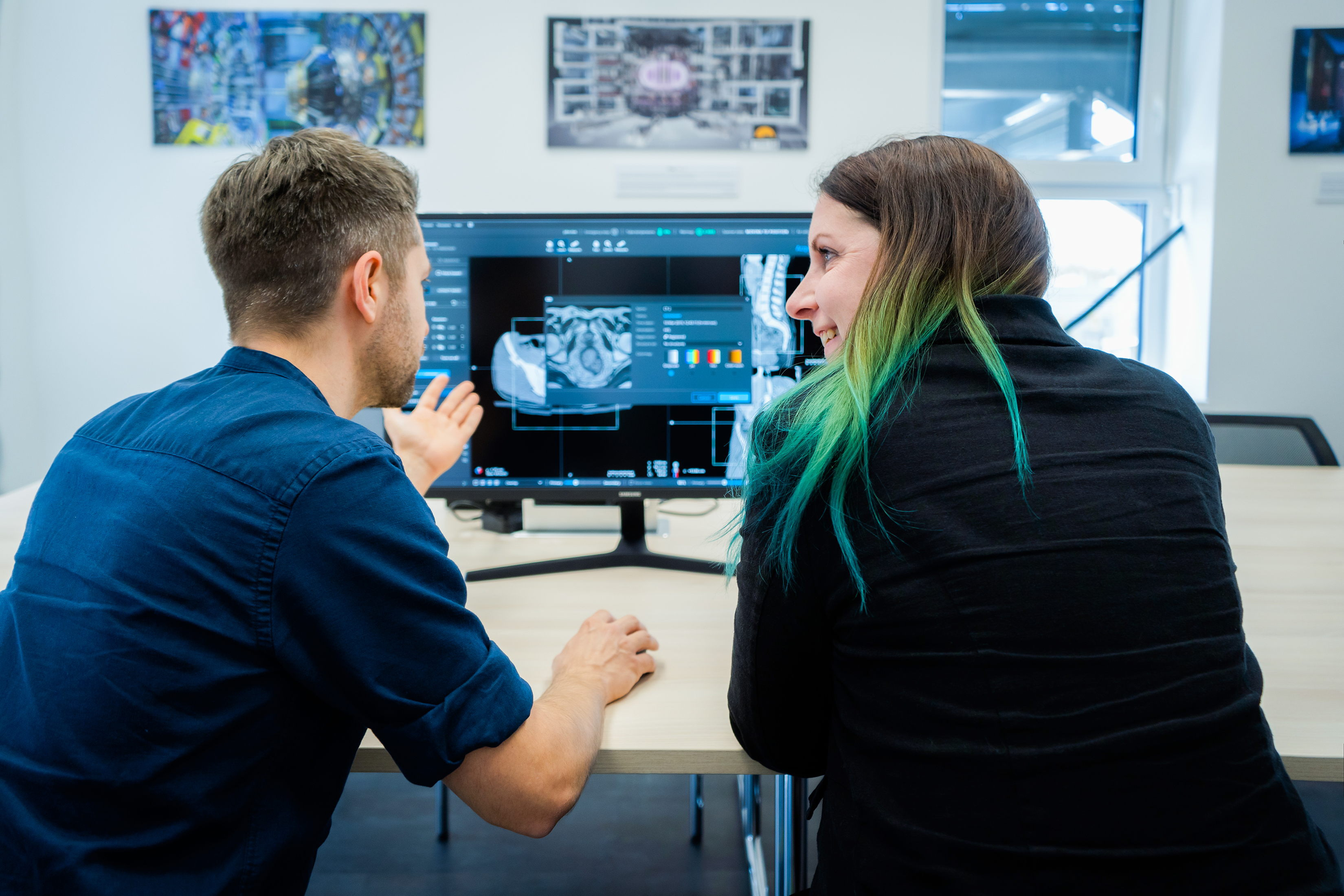
The reborn boron neutron capture therapy (BNCT) is one of the exciting radiation therapy modalities entering the clinical mainstream worldwide, propelled by the success of accelerator-based technology. The latter allows for compact installations in existing or new hospital spaces with small footprints.
Industry
A Control Unit for a Very Compact Quantum Gyroscope
Sensing devices employing quantum technologies are more precise, accurate and sensitive than their conventional counterparts. Quantum inertial-based navigation subsystems – gyroscopes – are an important area of scientific and industrial research, with great potential for use as reliable and high-precision navigation devices, especially in the aerospace, defence and autonomous vehicles markets.
Medical
Boron Neutron Capture Therapy (BNCT)
A next-generation cancer treatment is now heading to your neighborhood clinic, and it’s called Boron Neutron Capture Therapy (BNCT). It has the potential to deliver highly effective and very cell-selective radiation therapy with a truly low impact on the patient’s quality of life, possibly less than all other radiation, chemotherapy or biological therapy modalities in current use.
Medical
BNCT Part I: Current and Future Clinical Aspects
Boron neutron capture therapy (BNCT) is not yet a “household name” at your nearest oncology ward, but it may soon become one. It is a two-step treatment combining the infusion of a drug containing boron-10 and irradiation with low-energy neutrons. Neither the drug nor the neutron beam are Independently toxic and affect healthy tissue minimally.
Accelerators
Big science
Technology
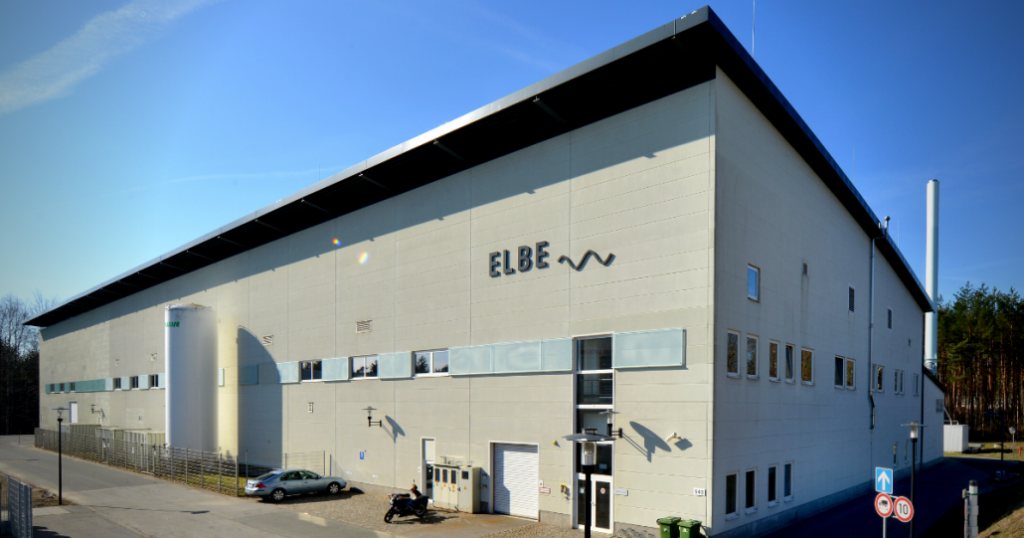
Upgrading the Timing System at HZDR ELBE
Demanding Big Physics facilities and experiments require increasingly complex yet reliable timing systems. Features such as virtual accelerators, timing super-cycles and event acknowledgements are becoming more common.
Medical
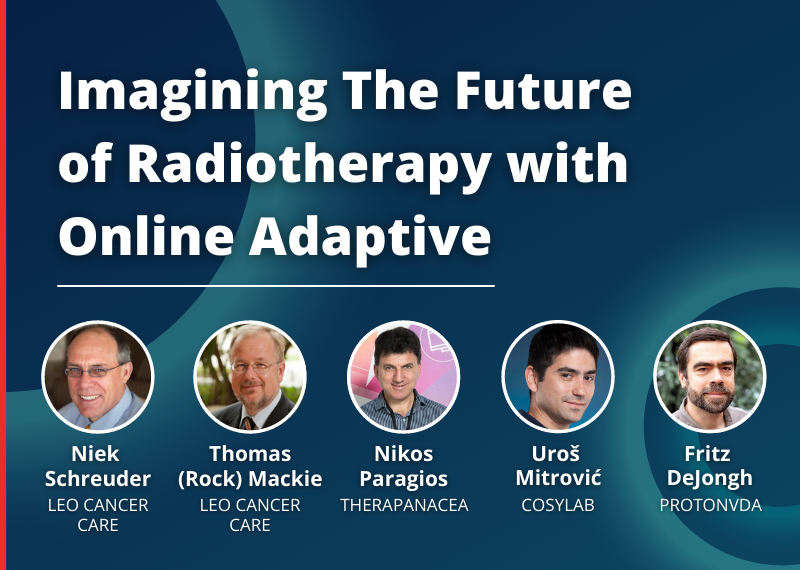
The News From ASTRO 2021
This year’s Annual Meeting of the American Society for Radiation Oncology (ASTRO) was, again, a live event. It was held in Chicago between the 24th and 27th of October 2021 at McCormick Place West. After the radiation therapy (RT) community was predominantly sheltered from the COVID-19 pandemic for 18 months, it was good to see our friends and acquaintances from clinical oncology, research, and the radiation therapy industry.
Accelerators
Big science
Technology
A Generic Control-System Stack on MicroTCA for Data Acquisition
Among humankind’s most pivotal projects are Big Physics experiments investigating the foundations of fusion, fundamental particles, origins of the Universe, the structure of materials, biochemical reactions, and much more.
On the other hand, MicroTCA (MTCA) is an open-standard architecture for switched fabric computer systems. Its .4 standard module (MicroTCA.4) increases PCB-space and modularity and is geared towards use in large-scale scientific facilities. With its I/O backplane architecture, MicroTCA is becoming one of the de-facto COTS (commercial off-the-shelf systems) standards in Big Physics, having been already wholly accepted by the high-energy physics community.
Medical
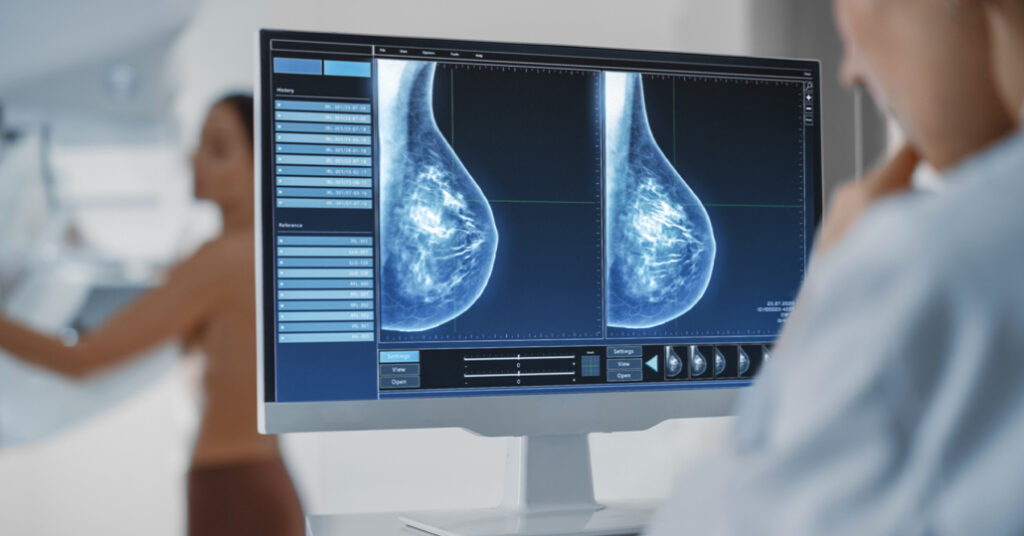
All the Ways to Cure Breast Cancer
According to the World Health Organization (WHO), breast cancer became the most common cancer globally as of 2021, accounting for 12% of all new annual cancer cases worldwide. Breast cancer occurs in every country of the world in women at any age after puberty, with its rates increasing later in life. On the other hand, today’s breast cancer treatments can be highly effective, achieving survival probabilities of 90% or higher, particularly when the disease is identified early.
Accelerators
Big science
Industry
Technology
LabVIEW and Accelerator Control Systems
Every particle accelerator must have a commanding system that controls and monitors hundreds of various devices and subsystems with sub-microsecond synchronisation. Good architecture and design is the key to building modular, scalable, maintainable, and testable software. This is especially true for large systems such as control systems for accelerators which require high uptime, reliability and scalability for long term operation and future upgrades.
Therefore, the accelerator control system (ACS) is an extensive and complex piece of software that must supervise the correct and safe performance of all devices integrated into the machine. The system has to guarantee dependability, stability and performance. It must also be extensively modular and configurable to meet new current and especially future demands.
Do you have a question or a project?
Get in touch with our experts to see how we can help.